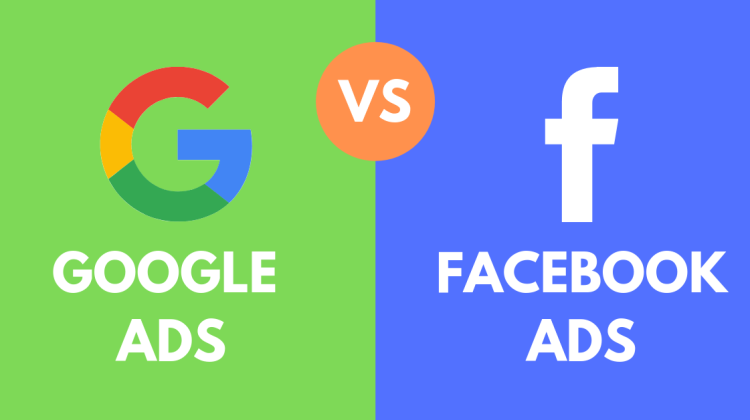
Which is better: Google Ads or Facebook Ads?
In 2026, the debate is no longer about which platform is “better,” but about which one fits your customer’s mindset at this exact moment. With AI-driven automation (like Google’s Performance Max and Meta’s Advantage+) now standard, the real difference lies in Intent vs. Discovery.
At Media Serve, we treat these platforms as two halves of a single growth engine. Here is how they compare in the current market.
1. The Fundamental Difference: Pull vs. Push
| Feature | Google Ads (The “Pull”) | Facebook/Meta Ads (The “Push”) |
| User Mindset | Intent-Based: Users are actively looking for a solution to a problem. | Discovery-Based: Users are browsing content and “discover” your brand. |
| Primary Goal | Direct Sales & Leads: Capturing demand that already exists. | Awareness & Desire: Creating demand where none existed before. |
| Best For | Urgent services, B2B, and high-intent e-commerce. | Visual products, lifestyle brands, and new innovations. |
| Speed to Result | Instant: High-intent searchers can convert in minutes. | Gradual: Requires multiple “touches” to build trust. |
2. Cost and ROI Benchmarks (2026)
In 2026, costs have risen across the board, but the value per click remains distinct:
-
Google Ads: Generally features a higher CPC (Cost Per Click)—averaging $2.50–$6.00+ depending on the industry. However, because the user is ready to buy, the Conversion Rate is typically 2–3x higher than social media.
-
Facebook Ads: Offers a lower CPC—averaging $0.80–$2.00. While cheaper to reach people, you often need a larger volume of traffic and a sophisticated “retargeting” strategy to turn those browsers into buyers.
3. Which One Should You Choose?
Choose Google Ads if:
-
You offer an “Emergency” or “High-Intent” service: (e.g., Plumbers, Lawyers, Dentists, SaaS tools). If people search for what you do, you must be on Google.
-
You need immediate revenue: Search ads put you in front of “hot” leads who are at the bottom of the sales funnel.
-
You have a niche B2B product: Targeting specific industry keywords is often more effective than broad interest targeting.
Choose Facebook/Meta Ads if:
-
Your product is visual or “impulse-buy”: (e.g., Fashion, Home Decor, Gadgets). If it looks good in a Reels video, Facebook/Instagram will scale you faster.
-
You are building a brand from scratch: Meta is the king of Top-of-Funnel awareness, helping you reach millions of people based on their hobbies and interests.
-
You have a long sales cycle: Meta’s retargeting capabilities allow you to stay “top-of-mind” with prospects for weeks or months.
4. The 2026 “Power Move”: The Hybrid Funnel
The most successful brands in 2026 don’t choose. They use a Full-Funnel Strategy:
-
Awareness (Meta): Use Facebook/Instagram Reels to introduce your brand to cold audiences.
-
Capture (Google): Bid on your own brand name and high-intent keywords so when those users eventually search for you, you’re there.
-
Conversion (Meta Retargeting): Show a specific discount or testimonial ad to people who visited your site via Google but didn’t buy.
Conclusion: Match the Platform to the Moment
At Media Serve, we’ve seen that Google finds customers, but Meta creates them. In 2026, your choice depends on whether you are trying to solve a user’s problem (Google) or inspire a user’s dream (Meta).
No reviews yet. Be the first to review!